
ebook
2026 Market Outlook
Commodities, Cycles, and Portfolio Considerations
A data-driven assessment of:
- Where commodity markets stand today
- The forces shaping the year ahead
- How selective exposure may be considered within diversified portfolios
Designed for advisors evaluating agriculture, metals, and commodities in a changing macro environment.
.png?width=467&height=350&name=2026%20Market%20Outlook%20Beautyshot%20(2).png "2026 Market Outlook Beautyshot (2)")
Download the 2026 Outlook
Why 2026 Requires a More Selective View of Commodities
.png "61025 TEC Beauty Shot ebook 2026 Market Outlook (1)")
Commodity markets enter 2026 in a different position than in recent years. Prices have cooled from the highs of 2022, yet they remain elevated relative to pre-pandemic levels. Global growth signals are uneven, inventories are rebuilding in some markets, and policy uncertainty remains a factor.
Broad commodity exposure no longer tells the full story. Energy, metals, and agriculture are responding to different forces and are often moving in different directions.
The 2026 Market Outlook examines how these dynamics are developing, where dispersion is emerging, and what that means for advisors considering commodities as part of a diversified portfolio.
What You'll Learn in the 2026 Market Outlook:
Inside the report, you'll find:
- An overview of where major commodity sectors stand entering 2026
- A breakdown of cyclical headwinds versus longer-term structural demand
- An analysis of grain markets and how production cycles differ from other commodities
- Portfolio considerations for advisors seeking diversification beyond traditional stocks and bonds
The goal is clarity, helping advisors understand what is changing, what is persistent, and how to think about commodities in the year ahead.
.png?width=1000&height=750&name=2026%20Market%20Outlook%20Beautyshot%20(2).png "2026 Market Outlook Beautyshot (2)")
Explore Opportunities in Alternative Markets
Download your guide today to gain insights into agricultural ETFs and their investment potential.
Non-Correlated
Diversification
Agricultural commodities historically show low correlation with traditional asset classes like stocks, bonds, and gold.Adding agricultural ETFs can help stabilize your portfolio during periods of market volatility.
Proven Performance
in Market Downturns
The Teucrium Agricultural Fund Index has demonstrated consistent outperformance during major market corrections.
Example: Outperformed the S&P 500 in all 7 of the last 7 corrections since 2012.
Tangible
Inflation Hedge
Rising global populations and increasing demand for food create structural growth opportunities.
Agricultural ETFs provide exposure to essential commodities like corn, wheat, soybeans, and sugar.
Why Agriculture Continues to Behave Differently
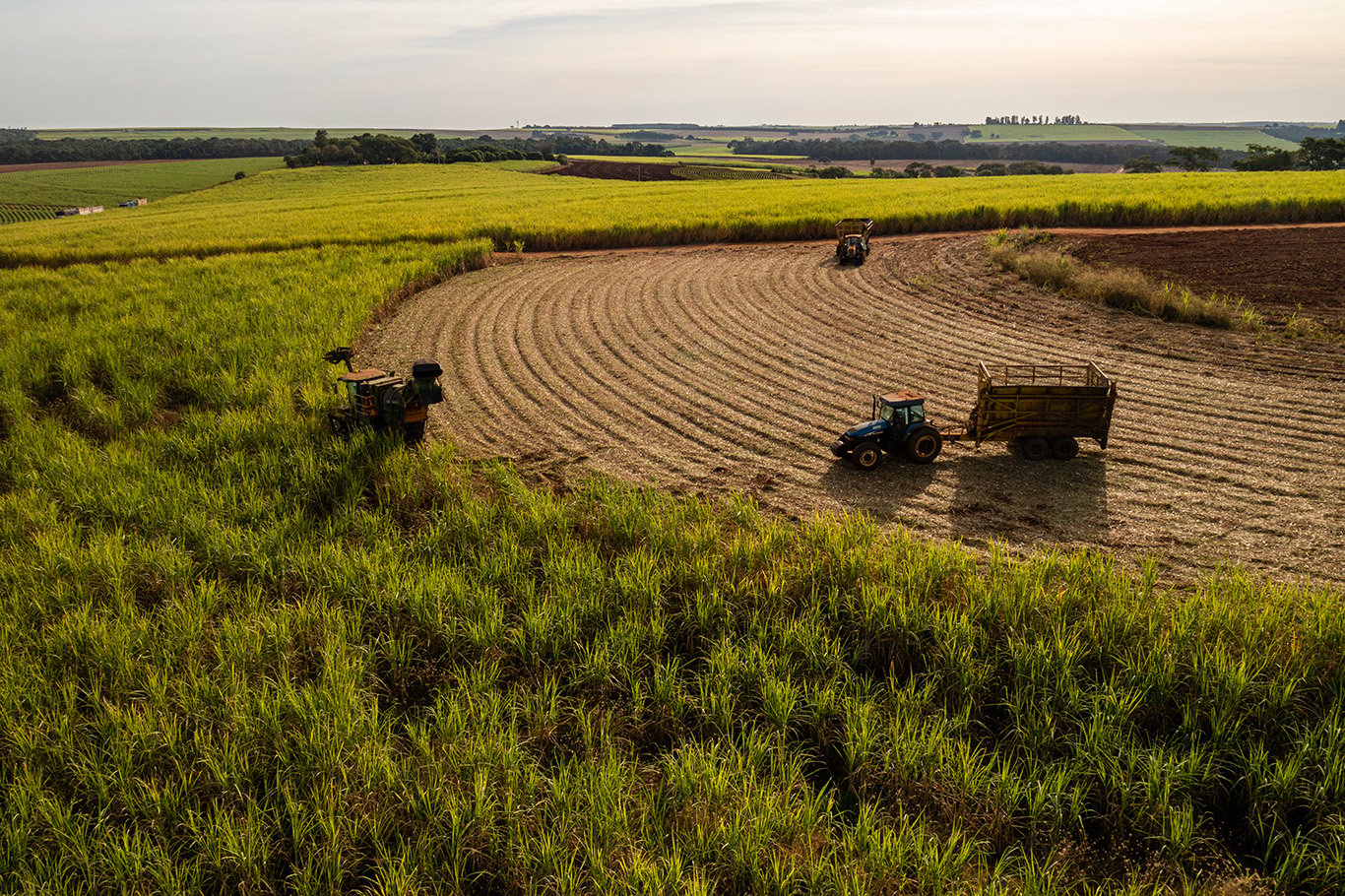
Agricultural commodities operate under a different set of constraints than most asset classes.
Production is governed by biological growing cycles, weather patterns, and acreage decisions. Demand is tied to food systems and global consumption rather than earnings growth or monetary policy. These fundamentals often cause agriculture to move independently from both equities and other commodity sectors.
Historically, this has resulted in relatively low correlation to stocks and bonds, particularly during certain periods of equity market stress. Understanding these characteristics can help advisors evaluate agriculture’s potential role as a diversifier within client portfolios.
Structural Forces Beyond the Near Term
While near-term economic growth remains uneven, several long-term forces continue to influence commodity demand:
- Electrification, data infrastructure, and industrial modernization are increasing demand for certain metals
- Central banks remain active participants in precious metals markets
- Food and agricultural systems remain essential regardless of economic cycle
Explore how these forces interact with current supply conditions and why a more selective approach may be relevant relative to broad exposure.
Portfolio Considerations for Advisors

For advisors, commodities are less about prediction and more about portfolio balance.
Our 2026 Market Outlook addresses questions advisors commonly face when evaluating commodities, including:
- How to frame commodity exposure within a long-term portfolio context
- How different commodity sectors respond to economic slowdowns
- Why correlation and structure matter when evaluating diversification
- The importance of transparency, accessibility, and education when introducing alternative
About Teucrium
Teucrium has specialized in providing ETF-based access to commodity and alternative markets since 2009.
With a focus on education, transparency, and targeted exposure, Teucrium supports advisors and investors evaluating how non-traditional assets may fit into diversified portfolios.

Review the 2026 Market Outlook
A practical resource for advisors navigating dispersion across commodity markets.
Disclosure
This material is for educational purposes only and should not be considered investment advice. Nothing presented constitutes a recommendation to buy or sell any security or investment strategy. Commodity investing involves risk, including the potential loss of principal.